

Introduction to Console TheGameArchives
Console TheGameArchives is a search term associated with TheGameArchives website console thegamearchives and its Console category. The category features articles about console gaming, gaming systems, release dates, retro gaming, and related topics. For readers interested in video game history, console thegamearchives console technology, and classic gaming collections, it can be a starting point for exploring relevant information.
Console gaming has developed significantly since the introduction of early console thegamearchiveshome gaming systems. Modern consoles offer advanced graphics, online multiplayer, console thegamearchives digital game libraries, and sophisticated controllers. However, older gaming systems console thegamearchives remain important because they show how interactive entertainment evolved and how developers console thegamearchives worked within the technological limits of their time.
The Console category on TheGameArchives can be explored through its published articles. Readers should review the actual content available on the website rather than assume that every type of game, download, console thegamearchives emulator, or database is console thegamearchives provided.
This guide explains Console TheGameArchives console thegamearchives, its relevance to console gaming research, the history of gaming systems, retro game preservation, console thegamearchives and practical ways to evaluate gaming information. It also covers copyright considerations, console thegamearchives the differences between archives and gaming consoles, and frequently asked questions about the topic.
Whether you are a beginner, a retro gaming enthusiast, a collector, or a researcher, understanding console gaming and its history can help you discover the technology and creativity behind the games console thegamearchives people enjoy today.
What Is Console TheGameArchives?
Console TheGameArchives refers to the console-related content associated with TheGameArchives website. Its Console category brings together articles about gaming systems and related subjects, allowing readers to explore topics through the site’s published content.
Readers can visit the TheGameArchives Console category to view its current articles.
It is important to distinguish between a website category and a console thegamearchives physical gaming console. A gaming console is a hardware device designed to run video games, while a website category organizes online content around a particular subject. The presence of a Console category does console thegamearchives not, by itself, establish that a separate hardware product called TheGameArchives Console exists.
The category should therefore be understood in the context of its actual articles console thegamearchives. Readers can review article titles, publication dates, explanations, and references to determine whether the content answers their questions.
Why People Search for Console TheGameArchives
People may search for Console TheGameArchives because they want to learn console thegamearchives about console gaming, explore retro gaming topics, or find articles related to gaming systems and their history.
Search intent can vary. Some visitors want general information about the website, while others are interested in a particular console, a classic game, or the preservation of older gaming equipment.
Understanding the purpose behind a search helps readers choose relevant material. console thegamearchives It also helps content creators develop articles that provide clear answers instead of filling pages with console thegamearchives unrelated gaming information.
Is Console TheGameArchives a Gaming Product?
Console TheGameArchives should not automatically be interpreted as the name of a standalone console thegamearchives gaming device. The Console category on the website is an online content section.
Anyone researching a physical product with a similar name should verify its manufacturer, official product console thegamearchives page, specifications, availability, and purchasing information before making a console thegamearchives decision.
This distinction matters because gaming articles sometimes use similar terminology to describe websites, hardware, software, and digital services. Checking the original source can help prevent console thegamearchives misunderstandings.
How to Explore TheGameArchives Console Category
A website category groups articles around a shared topic. Instead of searching an entire website console thegamearchives, readers can start with the Console category and select content that matches their interests.
The available articles may change over time, so the best approach is to console thegamearchives check the current category page.
Browse Available Articles
Start by opening the Console category and reviewing the published article titles. Look for subjects related to the question you want to answer.
For example, a reader interested in retro gaming preservation may prefer an article console thegamearchives about documenting older consoles. Someone comparing gaming systems may need a different resource that focuses on hardware specifications or release information.
Reading the full article is more useful than relying on its headline alone. The content should explain its subject, provide relevant details, and identify limitations where necessary.
Check Publication Dates
Publication dates are particularly important when researching gaming technology. console thegamearchives Hardware specifications may remain stable, but software support, online services, compatibility information, and product availability can change.
An older article may still be useful for historical research, even if it is no longer suitable console thegamearchives for answering a current technical question.
For the latest specifications or troubleshooting instructions, compare the article with the relevant manufacturer’s official documentation.
Evaluate the Quality of Information
Reliable gaming information should be clear, consistent, and supported by appropriate evidence. Historical claims should be checked against credible references, while technical instructions should identify the correct console or software version.
Readers should also distinguish between factual statements, personal opinions, predictions, and recommendations.
The purpose of browsing Console TheGameArchives is not simply to collect information. It is to find material that answers a specific question accurately and helps readers investigate the subject further.
Understanding Console Gaming
Console gaming involves playing video games on dedicated gaming hardware. Home consoles typically connect to a television or monitor, while handheld systems include a built-in screen and controls.
Consoles differ in their hardware, game libraries, storage formats, controllers, online services, and compatibility options. Some use physical cartridges or discs, while others rely heavily on digital distribution.
Console gaming has changed alongside advances in computing, graphics, storage, networking, and game design. Studying these developments helps explain why modern games often provide experiences that would have been difficult to create on older systems.
Early Home Gaming Systems
The history of home console gaming includes early experiments in bringing electronic games into people’s homes. The Magnavox Odyssey, released in 1972, is widely recognized as an early commercial home video game system.
Early gaming hardware had significant technical limitations. Graphics were simple, sound capabilities were restricted, and many games focused on straightforward objectives.
Despite these limitations, early systems helped establish home gaming as a form of entertainment. They also encouraged manufacturers to experiment with controllers, game design, and ways of displaying interactive content on television screens.
Historical articles about early consoles can help readers understand how these foundational ideas influenced later gaming systems.
The Rise of Cartridge-Based Consoles
Cartridge-based gaming became an important part of console history. Cartridges allowed players to use different games on compatible hardware without purchasing a new console for every title.
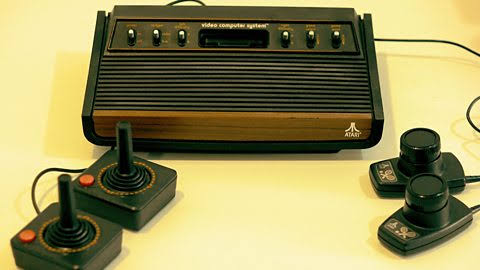
The Atari 2600 helped popularize this approach, while later systems, including the Nintendo Entertainment System, contributed to the growth of home gaming through varied game libraries and memorable characters.
Cartridge systems also introduced preservation challenges. Physical media can be damaged, labels may deteriorate, and electronic components can become difficult to repair or replace.
For collectors and researchers, recording a game’s title, platform, regional version, and release information helps preserve important historical details.
The Move to Disc-Based Gaming
Optical discs became increasingly important as games required more space for graphics, audio, video, and other content.
The original Sony PlayStation, released in the 1990s, helped establish disc-based gaming as a major part of the console market. Other manufacturers also adopted optical media in different formats.
Discs created new preservation challenges. Scratches, physical deterioration, damaged packaging, and aging optical drives can affect access to older games.
Preserving a disc-based game may involve documenting its packaging, manuals, regional edition, and hardware requirements in addition to protecting the disc itself.
Modern Console Gaming
Modern consoles combine powerful hardware with digital distribution, online connectivity, downloadable content, and multiplayer services.
Examples of current-generation console families include PlayStation 5, Xbox Series X and Series S, and the Nintendo Switch family. Their capabilities and game libraries differ, so buyers should consult official product information when comparing specific models.
Modern gaming also raises new preservation questions. Some games depend on online servers, account authentication, downloadable updates, or digital licensing. As a result, keeping a record of a game’s history may require more than documenting its physical packaging.
These changes demonstrate why console gaming remains an important subject for both technology enthusiasts and people interested in preserving gaming history.
What Information Can Readers Find About Console Gaming?
Console gaming information can cover a wide range of subjects, from hardware development and game releases to reviews and preservation practices.
The exact material available through TheGameArchives depends on its published articles. Readers should inspect the category directly rather than assume that every type of gaming resource is included.
Gaming Guides and Tutorials
Gaming guides explain how systems and their features work. They may discuss setup procedures, controller functions, storage options, display settings, or other technical subjects.
A useful tutorial should identify the relevant console model and explain its instructions clearly. If the process differs between system generations or software versions, those differences should be stated.
For example, storage expansion requirements can vary between consoles. An accessory that works with one system may not be compatible with another.
Before changing system settings or purchasing hardware, verify important instructions against official support documentation.
Console Games and Release Information
Release information can help readers understand when a game became available, which platform it supported, and whether regional editions differed.
These details are particularly useful for collectors and gaming historians. A title may have different release dates across countries or may have been re-released on a later platform.
When researching a game, record its official title, developer, publisher, platform, release date, and regional version where available.
If sources disagree, investigate whether they refer to different editions or territories rather than assuming that one date must apply to every version.
Gaming Hardware and Accessories
Hardware-related information covers the physical components and accessories associated with consoles. Relevant topics include controllers, storage, cooling, display connections, audio devices, and networking features.
Understanding hardware can help players maintain their systems and make informed purchasing decisions.
Compatibility is especially important. Similar-looking accessories may use different connections or require specific software support.
Before buying a controller, headset, storage device, or other accessory, confirm that it supports the exact console model you own.
Gaming Reviews and Comparisons
Reviews help readers understand a game’s design, performance, story, accessibility, and overall experience. Hardware comparisons can explain differences between systems and help potential buyers identify suitable options.
A balanced review separates measurable facts from personal opinions. Claims about resolution, frame rates, loading times, and battery life should be supported by testing or reliable documentation.
Publication dates also matter because updates can change a game’s performance or features.
Readers should check the actual article listings to determine which reviews and comparisons are available on TheGameArchives rather than assuming that the category includes every possible subject.
Why Console Gaming Archives Matter
Console gaming archives and historical resources help document the development of video games. They can preserve information about hardware, software, creative decisions, physical media, and gaming culture.
Their value depends on the quality and completeness of the material they contain.
Preserving Gaming History
Older games and consoles represent important stages in the development of interactive entertainment. They show how developers worked within technical limitations and how player expectations changed over time.
Historical records can include manuals, packaging, advertisements, photographs, interviews, hardware documentation, and release information.
These materials help researchers investigate questions such as how a game genre developed, why a particular system became influential, or how a technical limitation affected game design.
Preservation also provides context for modern gaming. Features that seem standard today may have developed through decades of experimentation.
Supporting Research and Education
Gaming history connects several fields, including computing, digital art, storytelling, industrial design, and cultural studies.
Students can examine how controllers evolved, how graphics capabilities changed, or how different platforms influenced game development.
Writers and researchers can use historical records to compare release timelines, investigate regional differences, and study the relationship between technology and entertainment.
Good research requires reliable sources. Whenever possible, compare secondary articles with manufacturer documentation, contemporary publications, museum collections, and credible interviews.
Helping Collectors Organize Their Collections
Collectors often need accurate information about model numbers, regional editions, accessories, release variations, and physical condition.
A well-organized collection record can include photographs, purchase details, condition notes, and information about original packaging.
This information helps owners track their equipment and identify missing items. It can also make it easier to investigate whether two similar-looking products represent different hardware revisions.
However, not every website provides complete information about every console or game. Collectors should compare multiple sources before making claims about rare editions or historical significance.
Keeping Classic Games Understandable
Older games may feel different from modern releases because of their controls, difficulty, graphics, sound, and gameplay mechanics.
Understanding the technology and expectations of the original period helps readers appreciate why a game was designed in a particular way.
Historical context can also reveal how familiar gaming mechanics developed through experimentation across different platforms.
For this reason, console archives and historical articles can help connect longtime enthusiasts with new players who want to explore earlier generations of gaming.
Retro Gaming Preservation and Digital Archives
Retro gaming preservation involves maintaining knowledge and access related to older games, hardware, software, and supporting materials.
It includes physical conservation, documentation, historical research, and, where legally permitted, technical work intended to preserve access to older software.
Preservation is not simply a matter of storing a console in a cupboard. Physical objects can deteriorate, electronic components can fail, and online services may eventually become unavailable.
Preserving Physical Consoles
Older consoles should be stored in suitable conditions that reduce exposure to excessive heat, moisture, dust, and corrosion.
Owners should follow maintenance guidance appropriate to their specific systems. Opening power supplies or attempting electrical repairs without suitable expertise can create safety risks.
Documenting a console before restoration can also be helpful. Photographs, model numbers, accessory lists, and condition notes establish a useful record of the device.
For rare or historically significant hardware, consider seeking advice from an experienced repair specialist or conservator before making irreversible changes.
Protecting Cartridges and Discs
Cartridges and optical discs require different care practices.
Discs should generally be handled by their edges and stored in suitable protective cases. Cartridges should be kept dry and protected from unnecessary physical damage.
Avoid aggressive cleaning methods or unsuitable chemicals that could damage labels, surfaces, or electronic contacts.
Preservation should prioritize protecting the original material. Attempting to make an old item look completely new can sometimes remove original details that are historically valuable.
Documenting Game Information
Digital records help preserve knowledge even when physical items become difficult to access.
A useful record may include the following:
- Game title and platform.
- Developer and publisher.
- Original release date and region.
- Physical or digital format.
- Hardware and software requirements.
- Links to reliable historical references.
- Notes about uncertainties or conflicting information.
Photographs of packaging, manuals, and hardware can provide additional context when sharing them is permitted.
Good documentation distinguishes verified information from uncertain details. If a release date is disputed, record that uncertainty rather than presenting an unsupported claim as fact.
Understanding Emulation
Emulation uses software to reproduce aspects of another computing or gaming system. It can support research, compatibility testing, and access to certain older gaming experiences.
However, emulator performance and compatibility vary. Some games may experience graphical errors, timing problems, audio issues, or unsupported peripherals.
Emulation also does not automatically resolve every preservation challenge. Original hardware, physical media, historical documentation, and information about online services may remain important.
The legality of emulator software and game files depends on the applicable law and the circumstances. Readers should not assume that a game is free to download simply because it is old or discussed by an archive website.
Console TheGameArchives vs. Other Gaming Websites
Different gaming websites serve different purposes. Some focus on breaking news, others specialize in reviews, while others publish guides or historical information.
Choosing the right resource depends on what you want to learn.
Gaming News Websites
Gaming news websites focus on announcements, industry developments, release schedules, and current events.
They are useful for learning about new games, manufacturer announcements, and recent changes to gaming services.
However, breaking news may not provide the historical context needed for detailed research. Readers studying older systems may need longer articles, original documents, or specialist historical references.
Review and Comparison Websites
Review websites evaluate games, consoles, accessories, and services. Their comparisons can help buyers understand differences in performance, features, and value.
When using a review, consider its publication date, testing methods, and the specific models being compared.
A useful review explains the reasons behind its conclusions rather than simply describing one product as the best.
Historical Archives and Reference Collections
Historical archives focus on preserving records and making them accessible for research. Depending on the collection, these materials may include manuals, photographs, technical documentation, advertisements, or physical artifacts.
A general gaming blog may discuss preservation without providing the same level of documentation as a specialist archive, museum, or research collection.
TheGameArchives Console category should therefore be evaluated according to its actual published content rather than assumed to have every feature of a dedicated preservation institution.
Choosing the Right Source
The best source depends on the question.
Use official manufacturer documentation for current hardware specifications and troubleshooting. Use credible historical references for disputed dates and gaming history. Use reviews for product comparisons, and consult relevant preservation resources when researching older games or hardware.
Combining multiple sources can provide a more reliable understanding than depending on a single website for every topic.
Legal and Safety Considerations for Retro Gaming
Legal and safety considerations are important when researching old games, using emulators, downloading software, or maintaining vintage hardware.
Copyright and Game Downloads
A game’s age does not automatically remove copyright protection.
An archive may publish information about a game without having permission to distribute its software. Similarly, the existence of a download link does not prove that the distribution is authorized.
Before downloading or sharing a game, check its rights status, licensing conditions, and the laws that apply to your circumstances.
Legal requirements can vary by jurisdiction. For commercial projects or disputed copyright questions, qualified legal advice may be appropriate.
Using Emulators Responsibly
Emulator software and game files are separate issues. An emulator may be legally distributed while a particular copyrighted game file remains protected.
Avoid suspicious websites that use misleading download buttons, request unnecessary personal information, or require unfamiliar software installations.
Download programs only from sources you can evaluate, and keep your operating system and security software updated.
Do not assume that a file is safe or lawful simply because a gaming article recommends it.
Protecting Personal Information
When visiting gaming websites, be cautious about requests for passwords, payment details, account credentials, or unnecessary permissions.
Use strong, unique passwords for gaming accounts and enable additional security features when available. Check website addresses carefully before entering sensitive information.
These are general internet safety practices, not claims that a particular website is unsafe.
Benefits and Limitations of Console Gaming Archives
Console gaming archives can make research easier, but their usefulness depends on the accuracy, completeness, and relevance of the information they contain.
Main Benefits
Access to historical information: Organized articles and records can help readers learn about gaming systems, releases, and technological developments.
Research support: Existing documentation can provide starting points for investigating a game, console, or historical period.
Educational value: Gaming history connects technology, art, business, and culture, making it useful for a variety of learning projects.
Collection management: Detailed records help collectors identify equipment, track condition, and document different versions.
Historical context: Articles about older systems can explain how technical limitations influenced game design and player experiences.
These benefits depend on the material actually available. A category containing articles should not automatically be treated as a complete game database or a source of downloadable software.
Limitations to Consider
Not every archive or gaming website is comprehensive. Some titles have limited documentation, and release information can vary between regions or editions.
Online articles may also contain outdated specifications, incomplete explanations, or claims that have not been independently verified.
An informational website may not provide downloads, repair services, a searchable database, or direct technical support.
Readers should assess the features of the actual website and verify important claims through suitable additional sources.
How to Evaluate Information Quality
Before relying on an article, consider whether it:
- Clearly identifies the subject and relevant console model.
- Provides publication dates and useful references.
- Separates facts from opinions and speculation.
- Explains limitations or areas of uncertainty.
- Matches information from credible independent sources.
- Provides current guidance when the topic changes over time.
These checks improve research quality and help reduce the spread of inaccurate gaming information.
The Future of Console Gaming and Game Preservation
Console gaming continues to evolve through advances in graphics, storage, connectivity, and digital distribution. These developments influence how people play games and how future generations may access gaming history.
Digital Distribution and Licensing
Digital storefronts allow players to purchase and install games without physical media. However, access may depend on platform support, account ownership, licensing conditions, and regional availability.
When a service changes, some games may become harder to obtain. Recording release information, supported platforms, and access requirements can therefore be valuable for historical research.
Readers should check current service policies rather than assume that every digital game will remain available under identical conditions indefinitely.
Online Services and Preservation
Some games depend on online servers for multiplayer features, progression, or other functions.
When a server is discontinued, parts of the original experience may become unavailable. Preserving information about these games can require documentation of server requirements, online features, and community practices.
These challenges demonstrate that preserving a game involves more than storing a copy of its files. The original experience may also depend on software, hardware, networks, and supporting services.
Community Knowledge and Documentation
Gaming communities can contribute to preservation by documenting hardware variations, sharing historical knowledge, testing compatibility, and recording information that may not appear in official manuals.
Community research can be valuable when official documentation is limited. However, important claims should still be checked, and contributors should respect copyright and applicable rules.
Clear records of sources, methods, and uncertainty make community research more useful to future readers.
Why Gaming History Will Remain Important
Older games and consoles provide insight into how interactive entertainment developed. They demonstrate how designers worked with earlier hardware, experimented with gameplay, and responded to changing player expectations.
Historical records can help future researchers study game mechanics, interface design, storytelling, graphics, and hardware architecture.
Console gaming articles and preservation projects can contribute to keeping this knowledge accessible, provided that information is documented carefully and presented responsibly.
Frequently Asked Questions About Console TheGameArchives
What Is Console TheGameArchives?
Console TheGameArchives refers to the console-related content associated with TheGameArchives website. Its Console category contains articles about console gaming and related topics. The term should not automatically be interpreted as the name of a physical gaming product.
Where Can I Find TheGameArchives Console Articles?
You can visit the official Console category and review the articles currently published there. The available selection may change over time.
Is TheGameArchives Console a Physical Gaming Console?
The Console category is a website content section. Its existence does not establish that a standalone hardware product called TheGameArchives Console is available for purchase. Verify any similarly named product through its manufacturer and official documentation.
What Topics Are Covered by Console TheGameArchives?
The category includes console-related articles. The actual topics available at any given time should be confirmed by checking the current article listings rather than assuming that every gaming guide, review, or historical record is included.
Is Console TheGameArchives Useful for Retro Gamers?
It can be a starting point for exploring console-related information and gaming history. Readers researching detailed specifications, compatibility, repairs, or preservation should also consult authoritative sources relevant to their questions.
Are Gaming Archives the Same as Game Download Websites?
No. A gaming archive may preserve information, photographs, manuals, and historical records without distributing game files. Even if software is available online, its distribution must be evaluated separately for legal authorization.
What Is the Difference Between Console Gaming and Retro Gaming?
Console gaming refers to playing games on dedicated gaming systems, including modern consoles. Retro gaming generally involves playing, collecting, or studying older games and systems. The subjects overlap, but not all console gaming is retro gaming.
Why Is Video Game Preservation Important?
Video game preservation helps maintain access to gaming history, hardware information, documentation, and cultural records. It supports research, education, collecting, and a better understanding of how interactive entertainment developed.
Can Emulators Help Preserve Classic Games?
Yes. Emulators can reproduce aspects of older gaming systems and support research, testing, and access to certain games. However, compatibility varies, and emulator software does not automatically provide legal access to copyrighted game files.
How Can Beginners Research Classic Console Games?
Start with a specific game or console. Record its title, developer, publisher, release date, platform, and regional edition when available. Compare credible sources and check manufacturer documentation for current technical information.
How Can Collectors Preserve Old Consoles?
Store equipment in suitable conditions, protect cartridges and discs, document model numbers and accessories, and follow appropriate maintenance guidance. For fragile or valuable equipment, consider consulting an experienced repair specialist or conservator.
Is Every Old Game Free to Download?
No. A game’s age does not automatically remove copyright protection. Check the rights status, licensing terms, and applicable laws before downloading or sharing software.
How Often Should Gaming Information Be Checked?
Check recent sources for changing topics such as software updates, compatibility, online services, and product support. Historical information may remain useful for years, but disputed claims should still be verified.
Final Thoughts on Console TheGameArchives
Console TheGameArchives is best understood as a search term connected to TheGameArchives website’s Console category and the broader subject of console gaming information. The category gives readers a starting point for exploring published material about gaming systems and related topics.
The wider subject includes console history, retro gaming, hardware development, game releases, digital preservation, and the challenges of maintaining access to older games. These topics demonstrate how technology, creativity, and culture have shaped interactive entertainment.
For the best results, begin with the website’s actual published articles, verify important claims through reliable sources, and distinguish historical information from unsupported product claims. When researching downloads, emulation, or preservation projects, consider copyright and online safety as well.
Ultimately, useful console gaming research depends on accurate information, clear explanations, and responsible preservation. Whether you are a beginner, a collector, or a longtime gaming enthusiast, these practices can help you understand the past and follow the continued development of the gaming industry.



Pingback: Physical Properties of Matter: Types and Examples best 5